Topeka, KS Air Quality
Report & Trends
Analysis & History
The Verdict
Topeka, KS is currently ranked #106 out of 224 cities tracked.
You are most likely to need an air purifier in July, when historical averages peak.
Health Recommendation
Sensitive groups should consider monitoring daily forecast apps significantly closer.
10-Year Annual PM2.5 Average
Analysis: Annual average Median AQI from 2015 to 2025.
If you live in Topeka, KS, particle pollution is specifically a concern during July. Alarmingly, annual PM2.5 averages have climbed over the last decade, largely driven by seasonal haze.
Seasonal Risk Calendar
The "Smoke Season" Calendar
Values represent historical Average Monthly AQI (PM2.5). Higher is worse.
Calculate Your Wildfire Defense
Don't guess. Enter your room size to see exactly which machine clears smoke in 15 minutes.
Coway AP-1512HH
The industry standard. Perfect for living rooms.
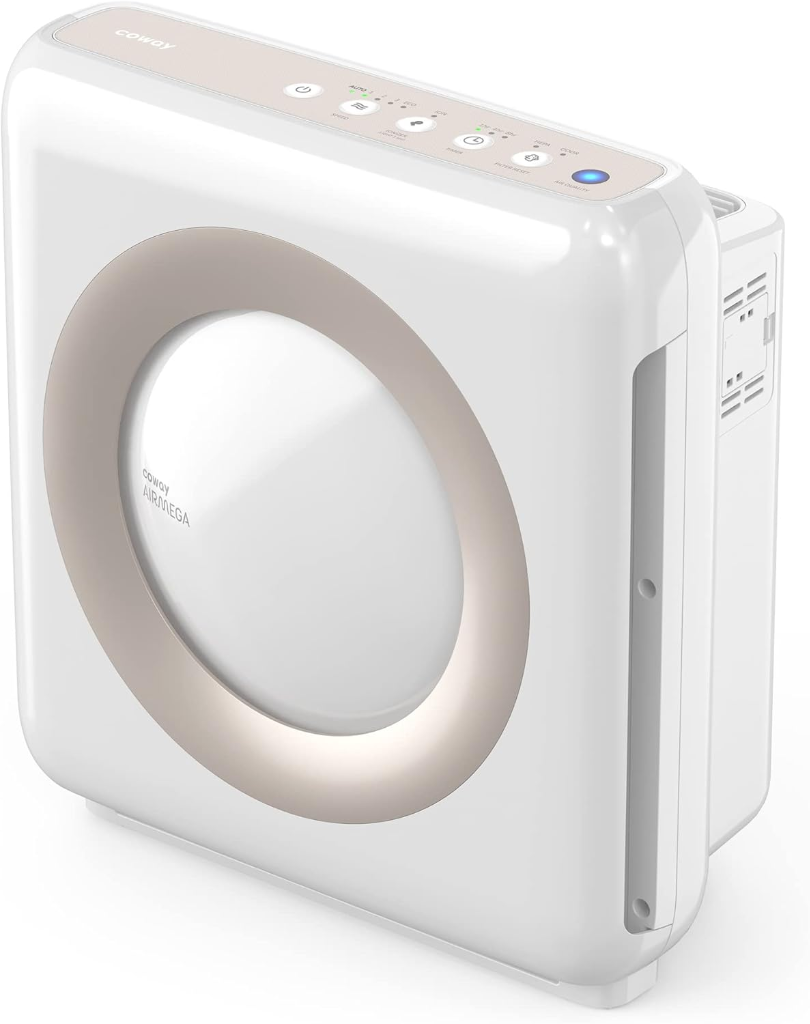
Wildfire smoke is 2.5 microns wide—too small for normal filters. Using an undersized purifier is dangerous false security.
Common Questions
When is the worst time for air quality in Topeka, KS?
Based on 10 years of data, the worst months for air quality in Topeka, KS are: July (AQI 54.0), April (AQI 53.3), October (AQI 52.1). These months typically see the highest concentrations of PM2.5 due to fine particulate matter trapped by local geography.
Is it safe to move to Topeka, KS given the air quality?
Absolutely. Topeka, KS has some of the cleanest air in the country. While no place is immune to occasional regional smoke, the long-term data shows it is a safe and healthy environment for residents.
Why is the air in Topeka, KS getting worse?
The primary driver is industrial activity and inversion layers. While local vehicle emissions have largely stabilized, fine particulate matter trapped by local geography frequently settles in the Topeka, KS valley, driving up the annual PM2.5 averages.
Do I really need an air purifier in Topeka, KS?
For daily use, likely not. Topeka, KS's air quality consistently rates as "Good." However, owning one as a precaution for wildfire season or allergy relief is still a smart decision for sensitive groups.
How accurate is this data?
This report is built on official EPA Air Quality System (AQS) data. We aggregated daily summary files from 2014 to present to build these charts. Unlike real-time apps that estimate, this is the verified historical record.
Is Topeka, KS safe from other disasters?
Air quality is just one factor. Check our sister site for a complete analysis of tornado, hurricane, and flood risks.
Full Safety Report →Summary
Looking at the 10-year chart, the pattern is undeniable. Cleaner air is possible, but it requires active management.